Chimneys are vital components of many homes, acting as conduits for smoke and gases produced by fireplaces, stoves, and heating systems. While they serve this essential purpose, chimneys also pose significant fire hazards if not properly maintained. The dangers associated with neglecting chimney care cannot be overstated. Each year, thousands of house fires can be traced back to chimney issues, underscoring the critical need for regular maintenance and repair. In Cleveland, Ohio, where winter temperatures can plunge dramatically, ensuring that your chimney is in optimal condition is not just a matter of comfort; it is a matter of safety.
Fireplaces provide warmth and ambiance, but without proactive measures such as professional chimney repair from trusted local services like Lewis Chimney and Masonry, this comfort can quickly turn into a disaster. Understanding the risks associated with poorly maintained chimneys—and knowing how to mitigate them—can save lives and property.
Understanding the Risks
The primary fire hazard associated with chimneys stems from the accumulation of creosote. This flammable byproduct results from burning wood or other fuels. As smoke rises through the chimney, it cools and leaves behind tar-like residues that build up over time. When creosote accumulates to dangerous levels, it can ignite at high temperatures—often leading to devastating chimney fires.
Moreover, structural issues within the chimney itself can contribute to hazards. Cracks in masonry or damaged liners can allow heat and sparks to escape into flammable materials surrounding the chimney structure. Additionally, obstructions like bird nests or debris can impede airflow and trap heat, further increasing fire risk.
In regions like Cleveland with harsh winters, homeowners often rely heavily on their best chimney repair in Cleveland Ohio heating systems. The frequent use of fireplaces during these months makes regular inspections even more crucial. A small oversight in maintenance can have catastrophic consequences when temperatures drop and usage increases.
The Importance of Regular Inspections
Regular inspections are critical in identifying potential hazards before they manifest into more serious problems. The National Fire Protection Association recommends annual chimney inspections for all types of chimneys and vents—whether they vent gas-burning appliances or traditional wood-burning fireplaces.
During these inspections, professionals assess several key areas:
Creosote Build-Up: They will evaluate how much creosote has accumulated within the flue and recommend cleaning if necessary. Structural Integrity: Inspectors check for cracks or damage in bricks or mortar that could compromise safety. Flue Condition: They examine the flue liner for any wear or deterioration that could allow toxic gases to enter your home. Obstructions: Professionals look for blockages caused by animal nests or debris that could restrict airflow. Ventilation Issues: Proper ventilation is vital for preventing backdrafts that can lead to smoke entering living spaces.By investing time in regular inspections through services like Lewis Chimney and Masonry in Cleveland, homeowners gain peace of mind knowing they have taken proactive steps to protect their homes from fire hazards.
Recognizing Signs That Maintenance Is Needed
While regular inspections are crucial, homeowners should also be vigilant about signs indicating that chimney maintenance may be overdue:
- Smoke Backing Up: If smoke enters your home rather than exiting through the chimney when you use your fireplace, this signals an obstruction or inadequate ventilation. Soot Accumulation: Excess soot around your fireplace indicates excessive creosote buildup within the flue. Strange Odors: A strong smell emanating from your fireplace when not in use may suggest trapped moisture or animal presence within the flue. Visible Cracks: Any visible damage on the exterior of your chimney warrants immediate attention from a professional. Flaking Mortar: Deterioration of mortar between bricks suggests moisture intrusion—this needs urgent repair to avoid structural issues.
Recognizing these signs early on allows homeowners to address problems before they escalate into costly repairs—or worse yet—a fire hazard.
Cleaning Your Chimney
Chimney cleaning is an essential component of maintenance that should not be overlooked. Depending on usage patterns—how often you burn wood versus gas—the frequency of cleanings may vary significantly; generally speaking, it's advisable to have it cleaned at least once a year.
Professional cleaners typically follow a thorough process:
Preparation: They will cover furniture near the fireplace with protective coverings to keep soot from staining anything. Inspection Before Cleaning: Prior to cleaning out creosote buildup, they inspect for damages that might require immediate repair. Cleaning Tools Used: Specialized brushes attached to rods help dislodge build-up while vacuum systems capture loose debris during cleaning. Post-Cleaning Inspection: After cleaning is complete, inspectors often conduct another evaluation for lingering issues needing attention.Homeowners should never attempt DIY cleaning unless they possess adequate knowledge about safe practices; hiring professionals ensures both safety and effectiveness in getting rid of hazardous residues.
Choosing Professionals Wisely
Selecting reliable professionals for chimney maintenance is just as important as recognizing its necessity in reducing fire hazards. Not all companies provide equal quality service; therefore careful consideration must go into choosing whom you trust with such an essential aspect of home safety.
Here are some tips when selecting a chimney service:
- Research Credentials: Look for certifications from organizations such as the Chimney Safety Institute of America (CSIA) or similar bodies indicating expertise. Read Reviews: Customer feedback offers insight into reliability and service quality; consider multiple sources including Google reviews or local forums. Ask About Insurance: Ensure technicians carry liability insurance protecting against accidents potentially damaging property during work performed on-site. Inquire About Practices Used: Ask about their cleaning techniques and tools—reputable companies will explain their methods clearly without hesitation.
By doing due diligence when selecting which experts handle your fireplace needs—from routine inspections to urgent repairs—you reduce risks associated with fires while ensuring top-notch service tailored specifically toward keeping your family safe year-round!
Addressing Structural Repairs Promptly
When inspections reveal structural issues within your chimney system—it’s imperative those repairs receive prompt attention! Neglecting necessary fixes only exacerbates problems down-the-line resulting eventually leading towards larger expenditures later on if ignored long enough!
Common structural repairs might include:
Brick replacement due to spalling Repointing mortar joints affected by weather conditions Installing new flue liners Rebuilding entire sections if severely compromisedEach situation varies based upon severity so working closely alongside skilled professionals helps determine best course-of-action tailored specifically towards restoring integrity while maintaining affordability!
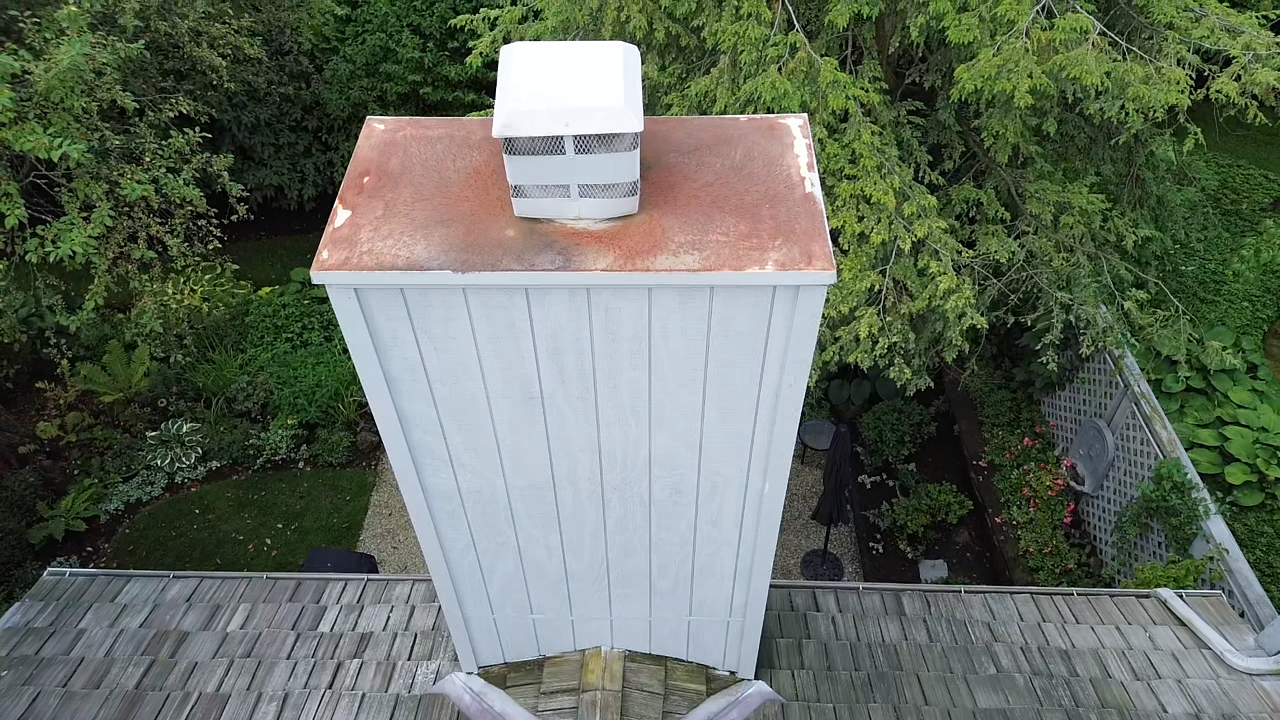
Investing now into timely repairs translates directly towards enhancing longevity reducing future costs overall—preventive measures pay off significantly over time!
Additional Safety Measures
Beyond regular maintenance routines focusing solely upon chimneys themselves—it’s wise considering additional safety measures throughout entire household environments relating directly towards fire prevention strategies holistically encompassing every aspect possible ensuring comprehensive coverage across board maintaining ultimate protection against unforeseen events arising unexpectedly at any moment catching families unprepared otherwise!
Some proactive approaches include:
1) Installing smoke detectors strategically located throughout home premises especially near bedrooms replacing batteries regularly testing functionality each month too! 2) Creating escape plans rehearsed regularly involving all family members practicing routes escaping safely swiftly under duress! 3) Educating families regarding proper use guidelines concerning heating equipment encouraging responsible habits cultivating awareness around potential hazards present anytime using fireplaces stoves etc…
By adopting these precautions collectively integrating them seamlessly together fosters atmosphere prioritizing safety above everything else providing reassurance everyone feels secure knowing prepared adequately should emergencies arise unexpectedly catching unaware otherwise!
Conclusion
Maintaining safe functioning systems within our homes requires diligence commitment attention detail focused primarily tackling critical elements contributing towards overall welfare health well-being lived experiences shared amongst loved ones gathered together sharing warmth comfort provided hearthside enjoyed fully without fears looming overhead breaking tranquility sought after so dearly! By partnering with reputable providers such as Lewis Chimney & Masonry dedicated delivering excellence quality workmanship consistently ensures peace mind achieved knowing protecting families futures safeguarded thoroughly every step way taken seriously!